
Tri-point
From first sales to new ideas
A history of experiments in art, design, and engineering—and the lessons that shaped Tri-point.
01 · First ventures
Around age eight
Tri-point’s roots go back to when I was around eight years old, selling prints of my artwork for about $10 each. My next venture was selling wire bonsai trees on Etsy. I calculated that selling ten trees would bring in $240, which seemed like a lot of money—and an achievable goal—at the time.
Reaching customers proved much harder than expected. With little understanding of advertising, my listings received only a handful of views, giving me an early lesson in the difference between offering a product and finding buyers.
PHOTO PLACEHOLDER
Early artwork prints and wire bonsai trees
02 · A shared identity
Around age thirteen
Around thirteen, I began bringing my interests together under the name Design Art and Engineering. That later became Tri-point, a reference to its original three branches. The intention was to create a shared identity that could accommodate different ventures as my interests and skills developed.
PHOTO PLACEHOLDER
Design Art and Engineering artwork or an early Tri-point logo
03 · Learning by building
Around age fourteen
Following a brief pause in selling, I focused on building my technical knowledge. Around fourteen, I built a three-degree-of-freedom robotic arm and explored offering 3D printing services, though I eventually decided the economics did not support the business I had envisioned.
Selling digital 3D models on Cults3D proved more successful and became one of my first meaningful sources of revenue.
PHOTO PLACEHOLDER
Robotic arm prototype and digital 3D modelsVIDEO PLACEHOLDER
Three-degree-of-freedom robotic arm demonstration
04 · Product development lessons
Tailgate Toppers and Redbubble
I later worked on someone else’s product under the separate name Tailgate Toppers, developing a device intended to help drivers tell whether their truck’s tailgate was up or down. The project stalled when its owner could not secure investment.
Although it never reached the market, the work gave me experience with product development and the provisional patent process, along with the confidence to pursue my own products more seriously. During that period, I also ran a modestly successful T-shirt venture on Redbubble.
PHOTO PLACEHOLDER
Tailgate Toppers development work and Redbubble T-shirt designs
05 · Building what comes next
P.O.P. Valve and Tri-point Snippet
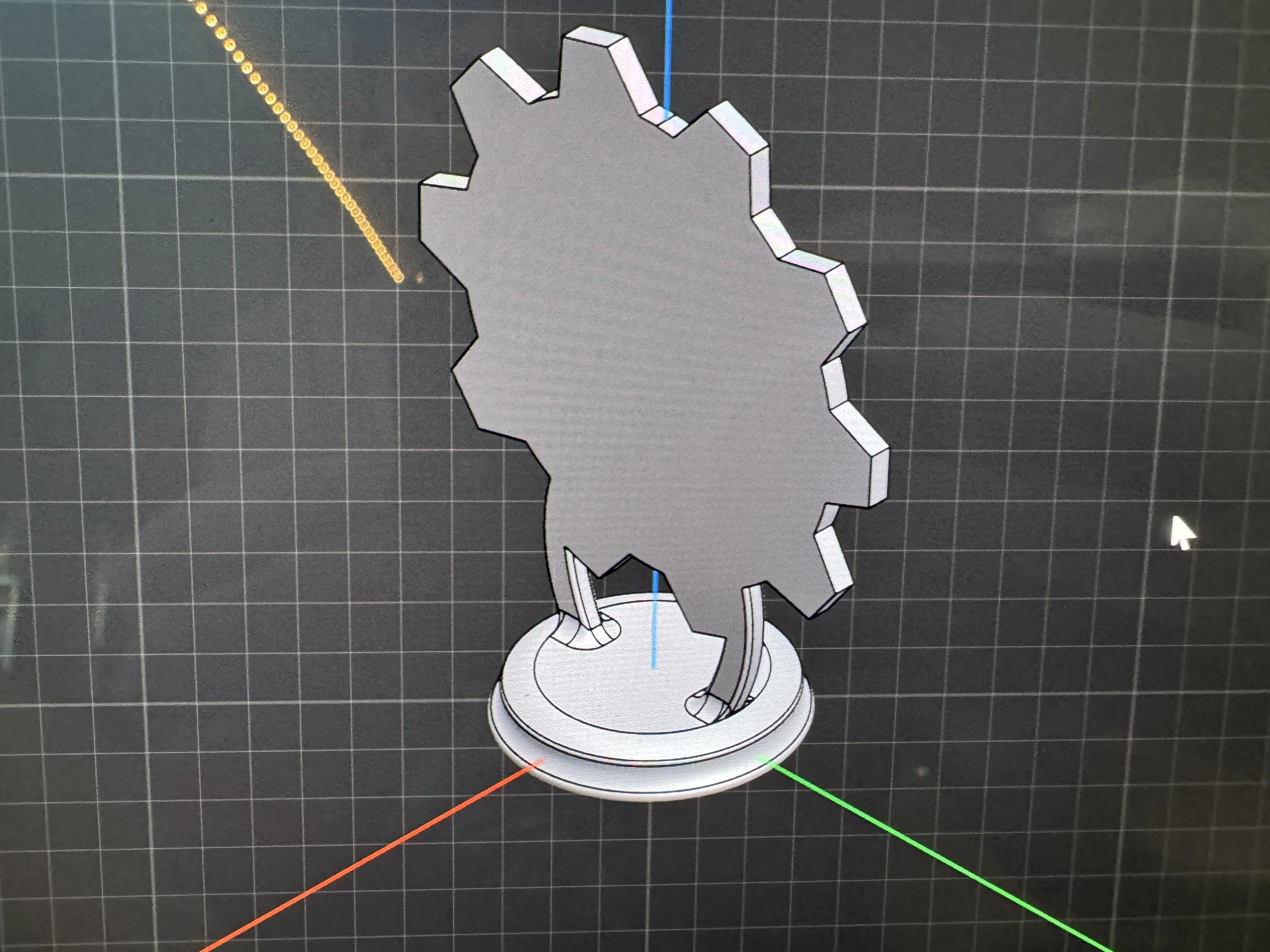
Those experiences led to the development of the P.O.P. Valve. I am currently refining its appeal and pitching it to investors while also developing Tri-point Snippet, a new branch inspired by my suitemates’ successful business.
PHOTO PLACEHOLDER
P.O.P. Valve prototype and Tri-point Snippet work in progressVIDEO PLACEHOLDER
P.O.P. Valve demonstration or project overview
06 · Still building
Tri-point remains small and is not yet profitable overall. Its history has been a series of experiments—some that generated income, others that stalled, and each helping shape what came next.
I intend to keep building it.
Small beginnings.
Still building.
From selling artwork at eight to developing products today. A story of experiments in art, design, and engineering—and the lessons that connect them.

Small sales. Big lessons.
Tri-point’s roots go back to when I was around eight years old, selling prints of my artwork for about $10 each. My next venture was selling wire bonsai trees on Etsy. I calculated that selling ten trees would bring in $240, which seemed like a lot of money—and an achievable goal—at the time.
Reaching customers proved much harder than expected. With little understanding of advertising, my listings received only a handful of views, giving me an early lesson in the difference between offering a product and finding buyers.
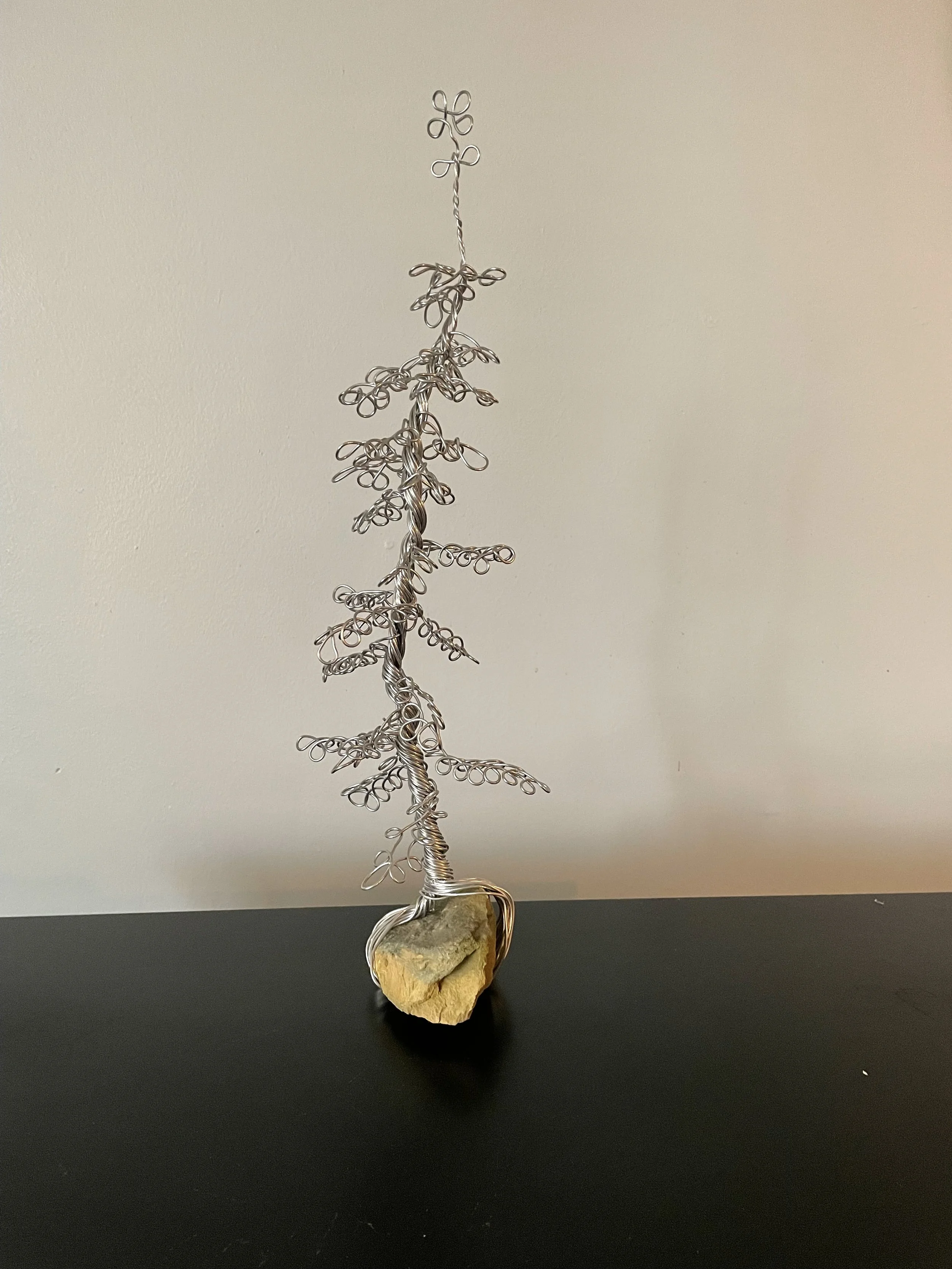
Explore the artwork · 11 photos
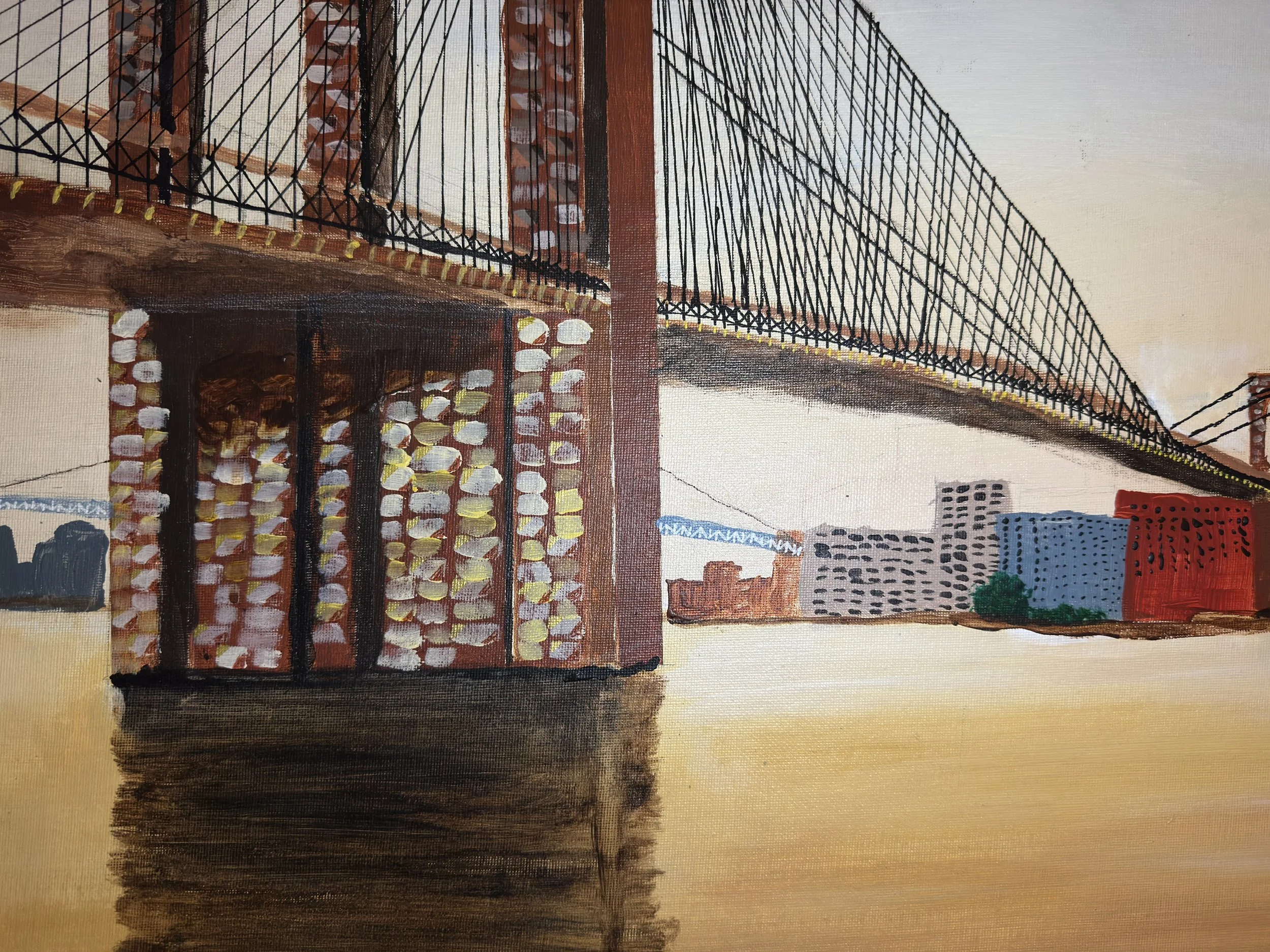
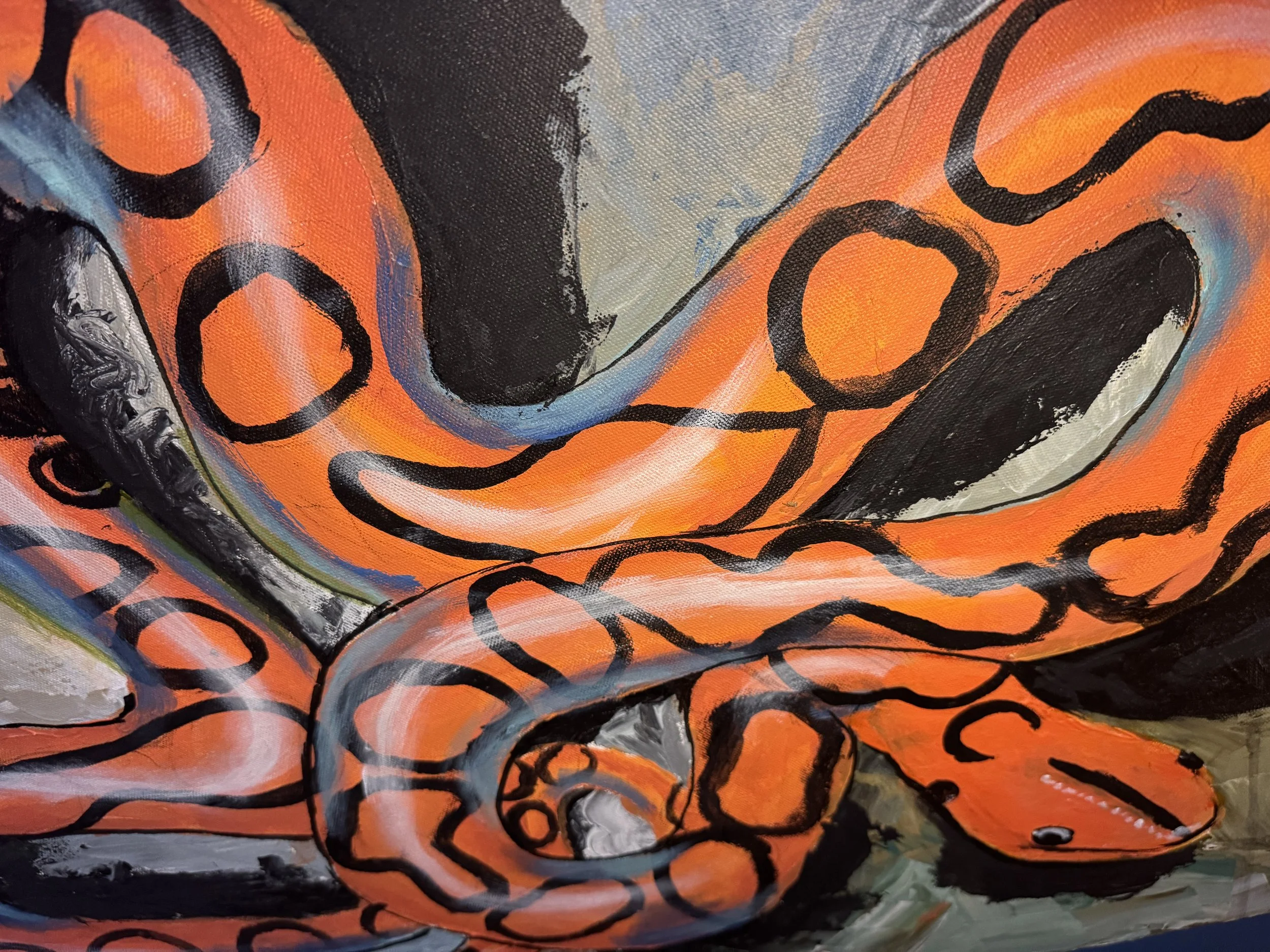
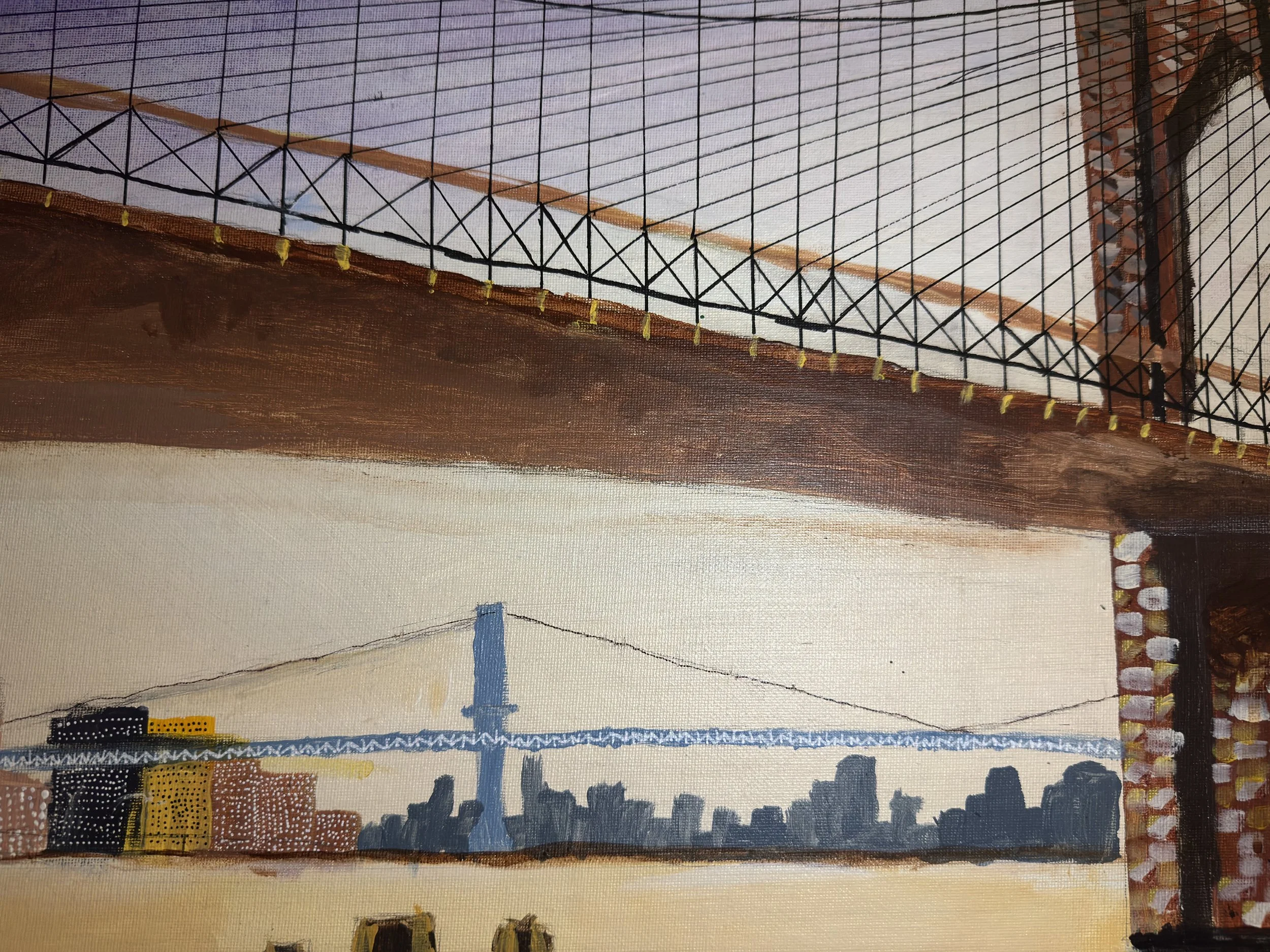
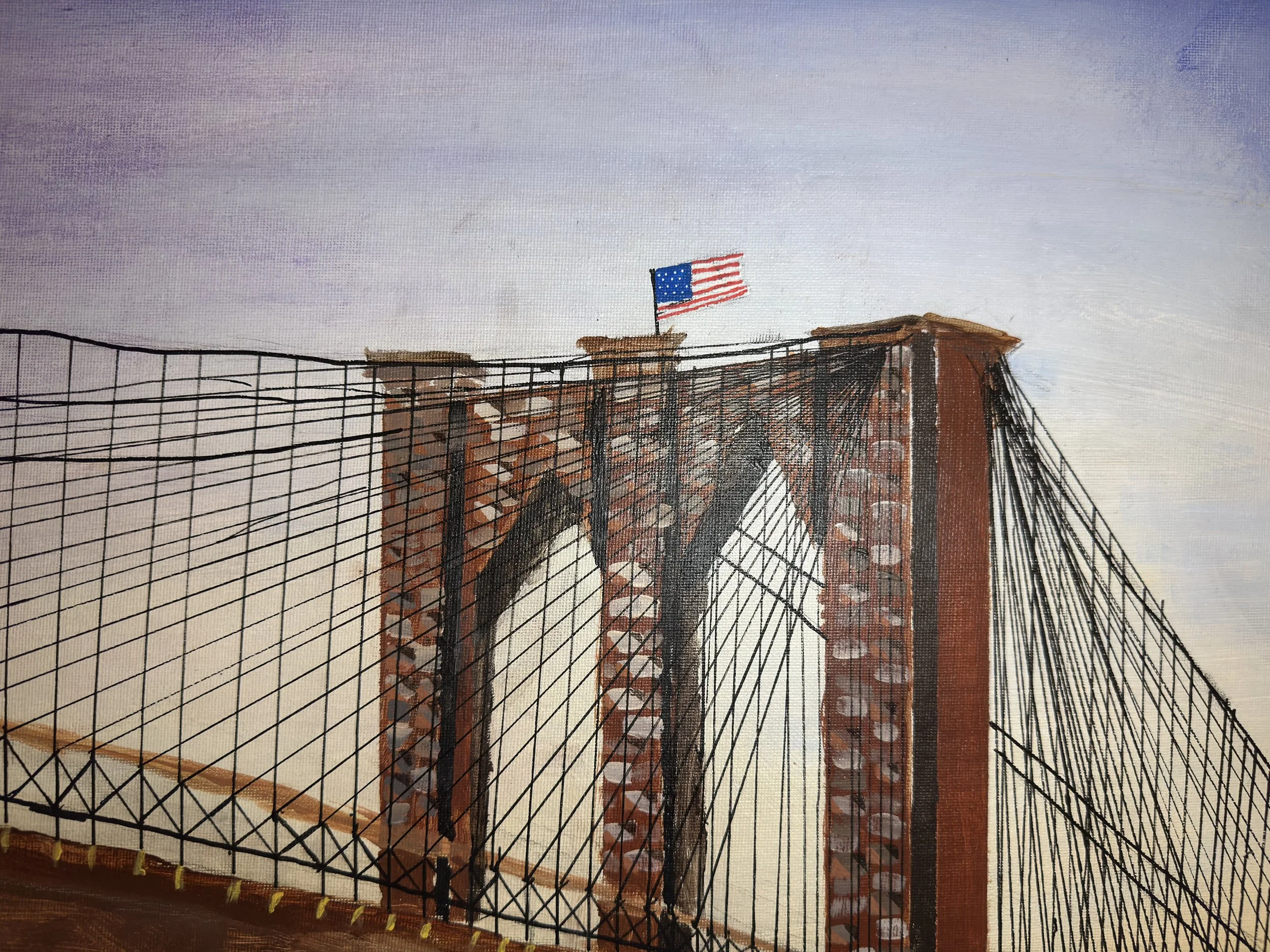
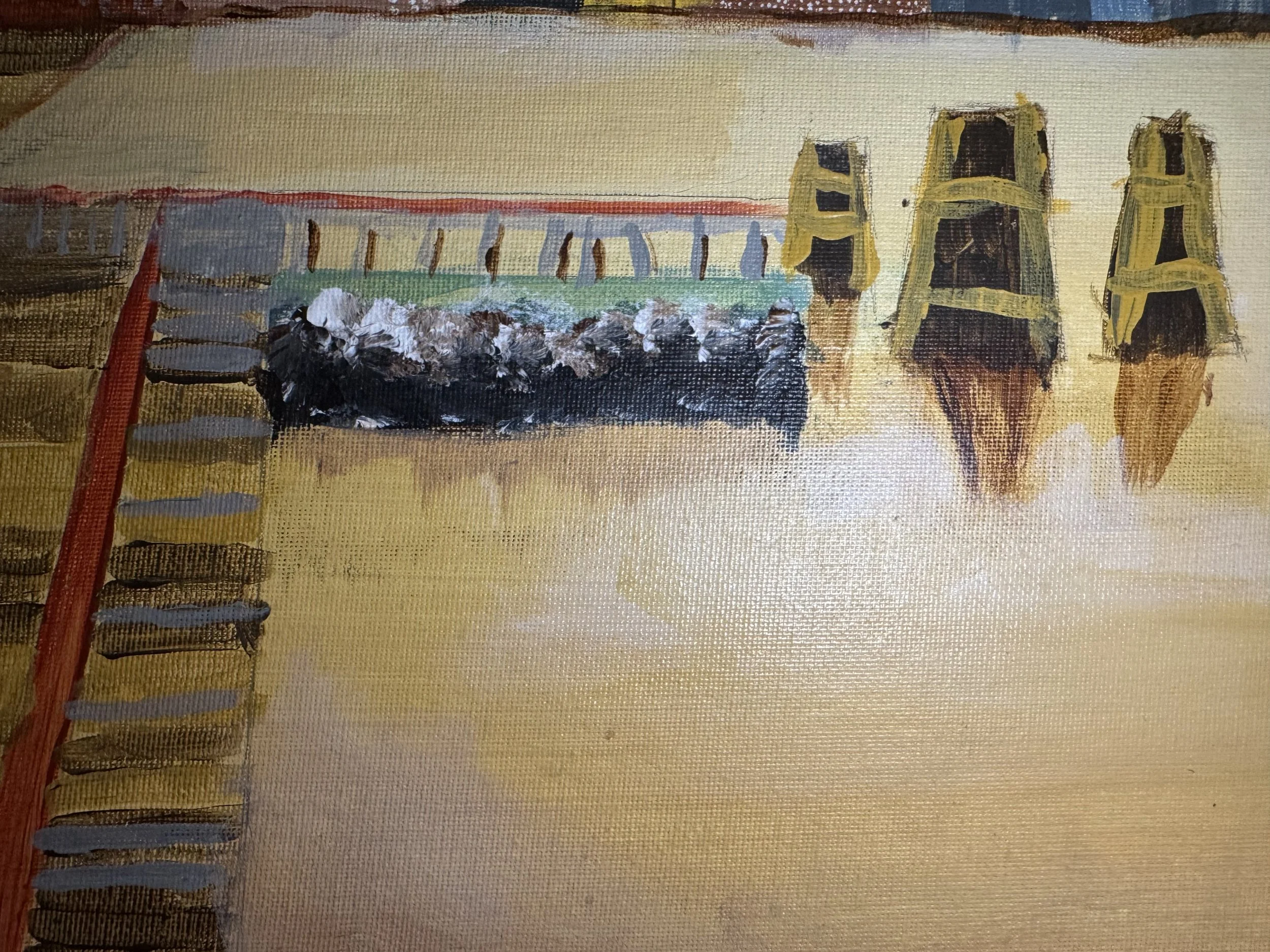
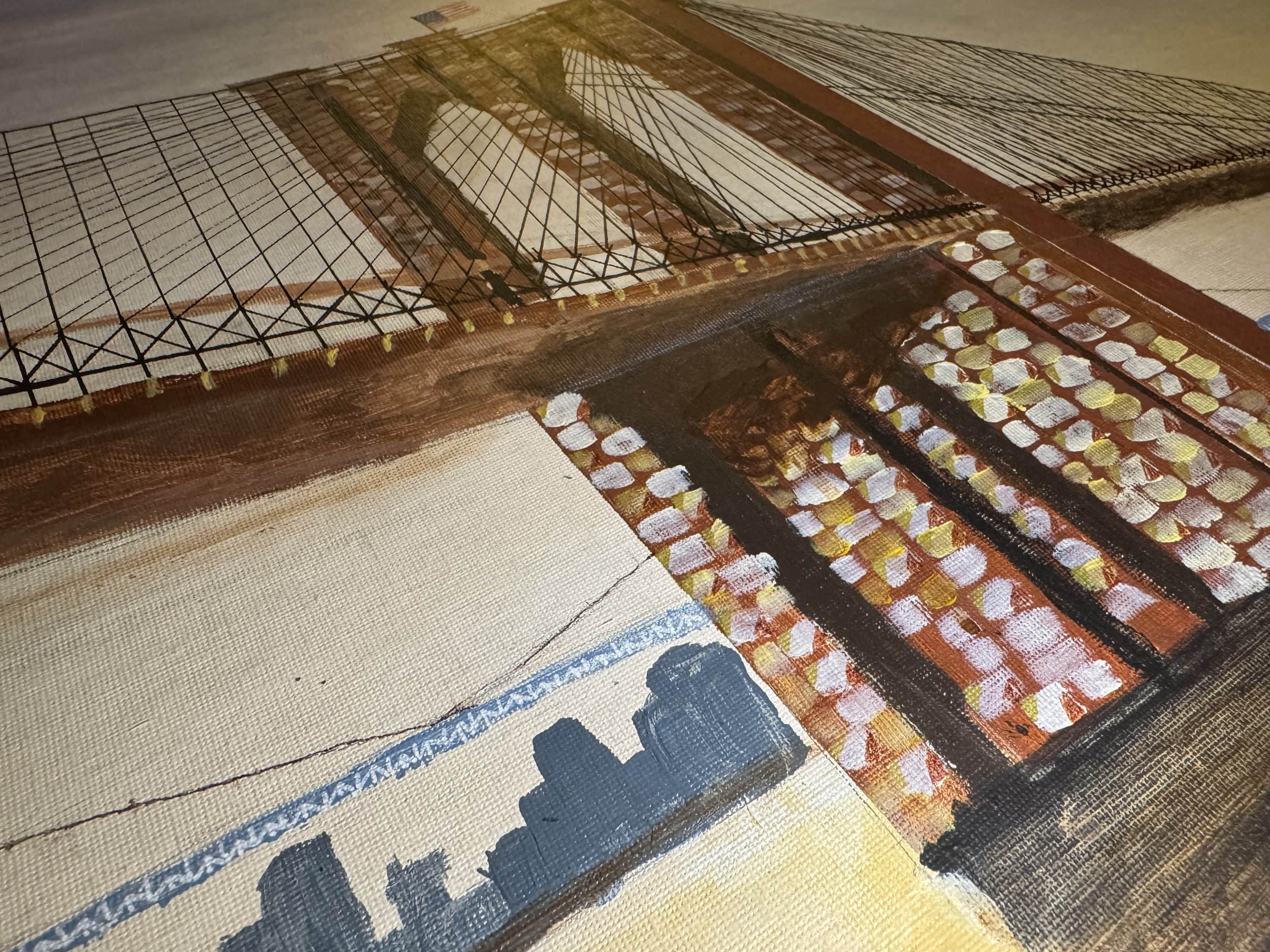
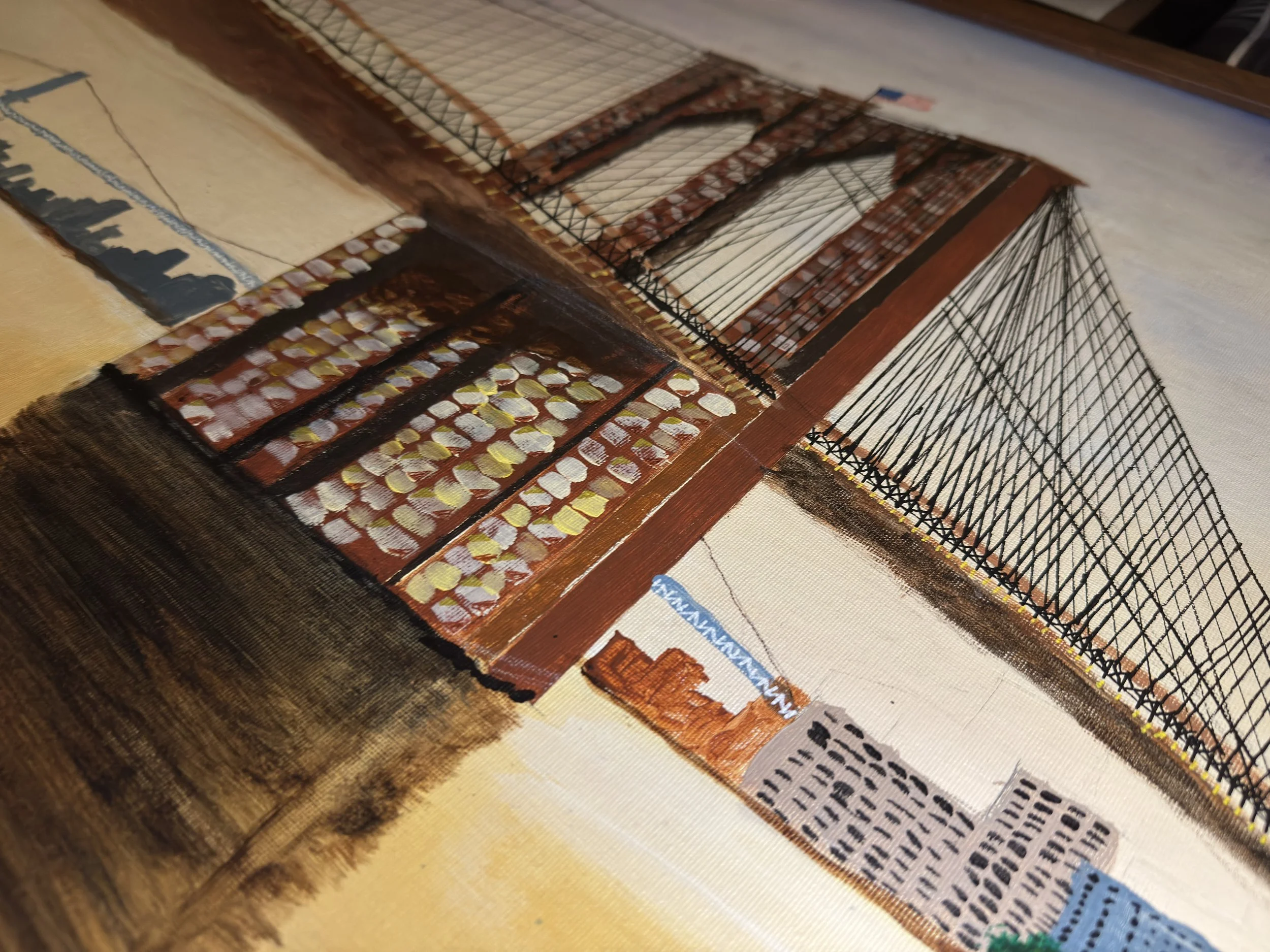
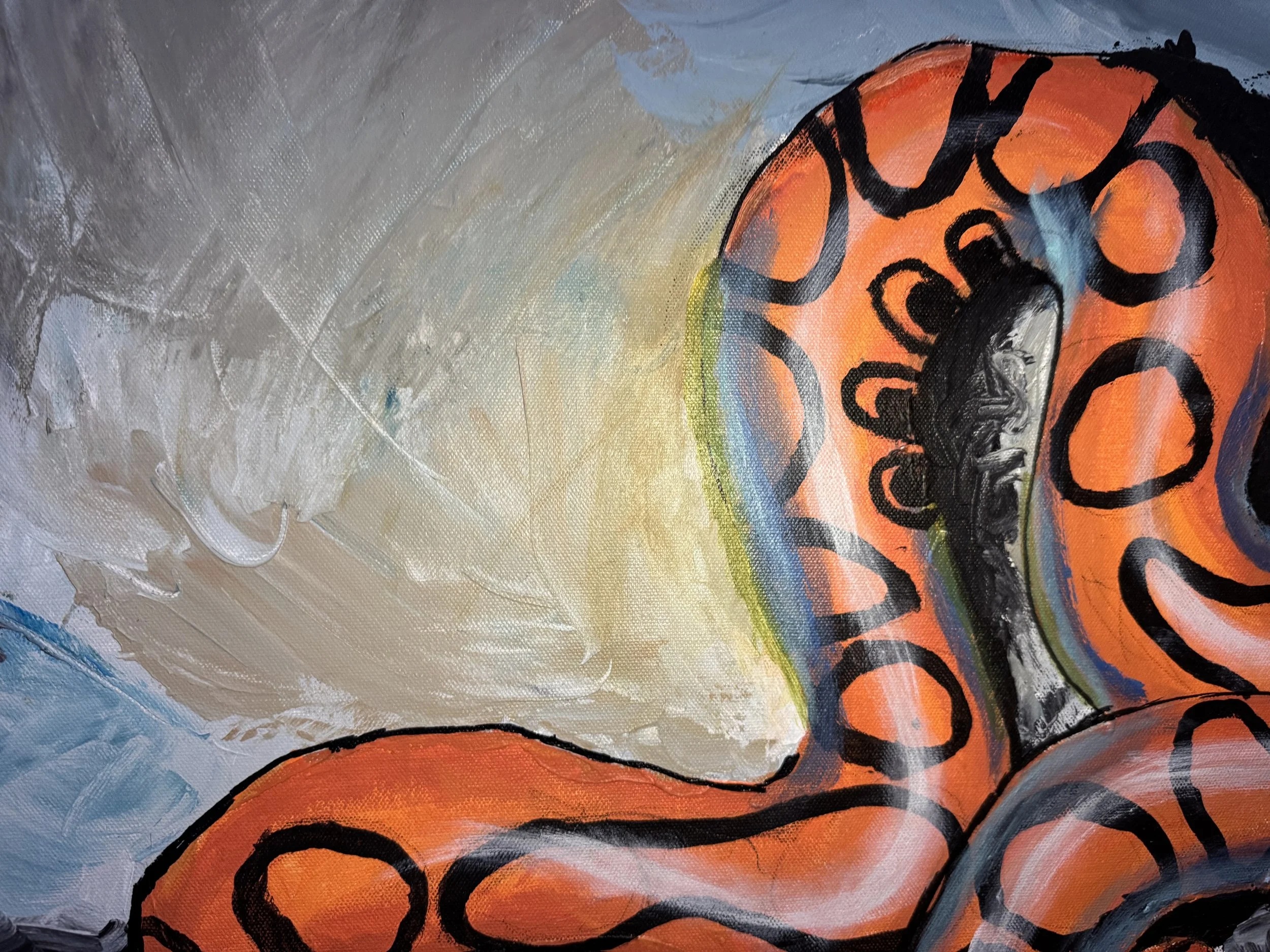
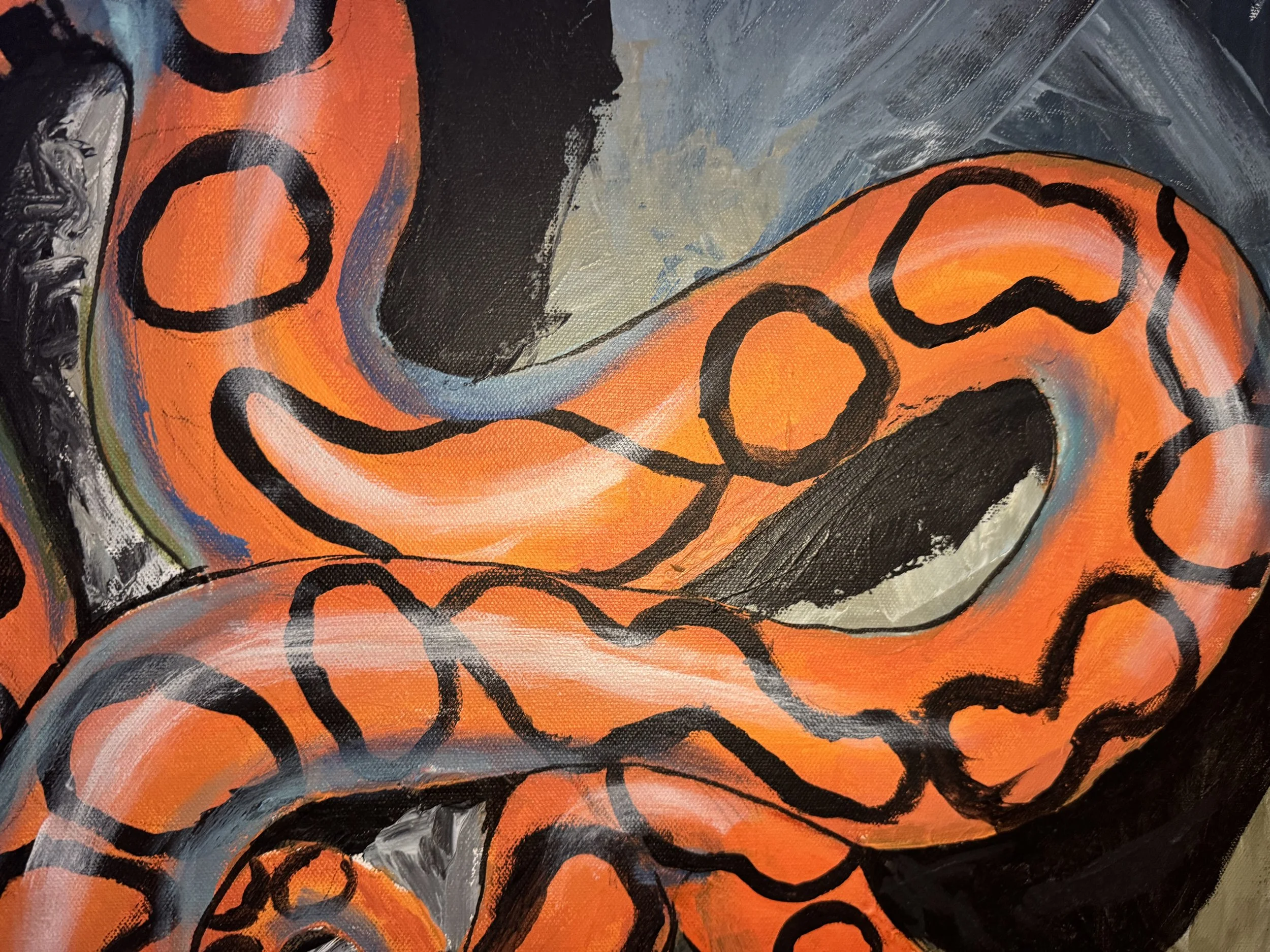
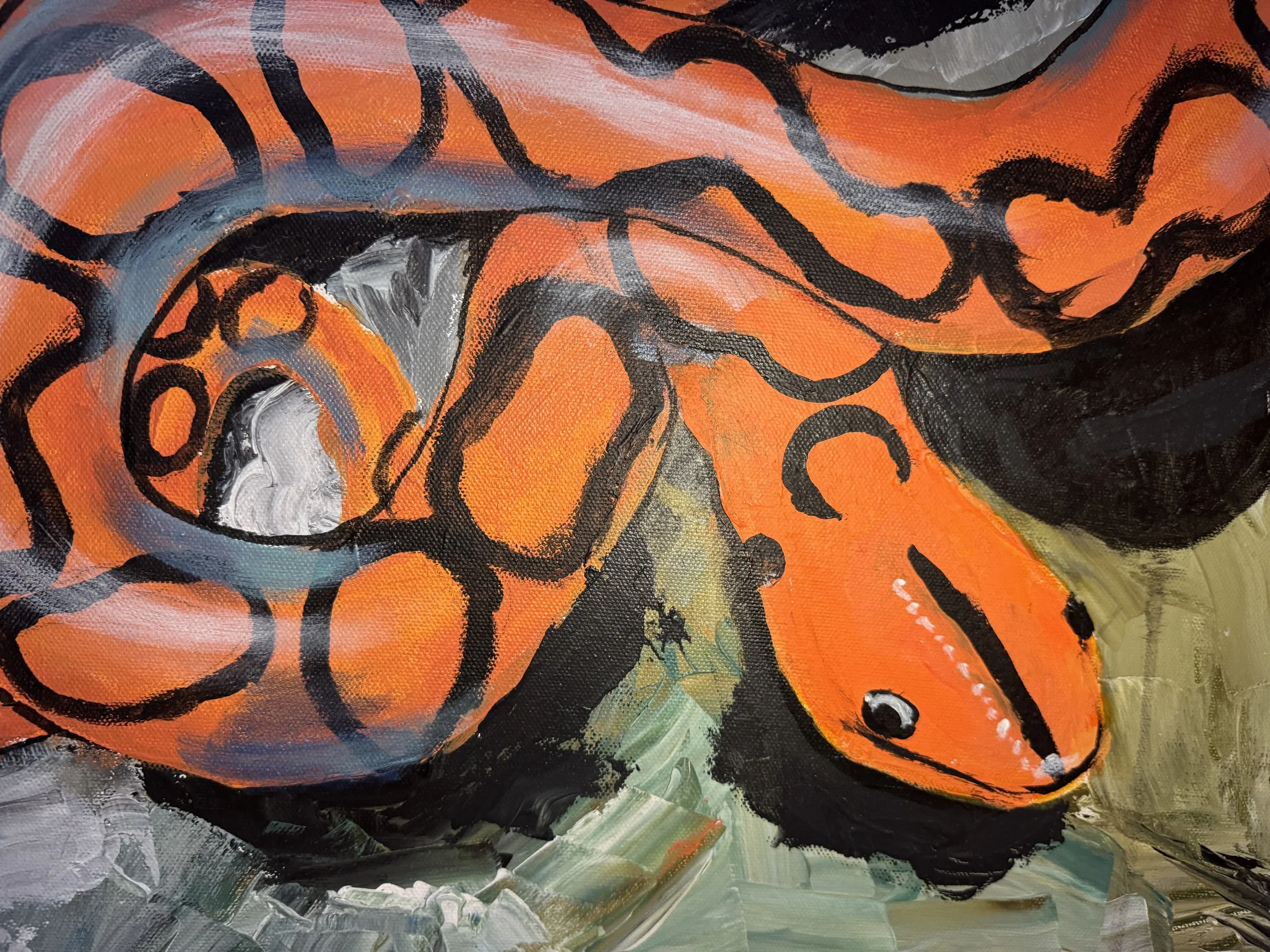
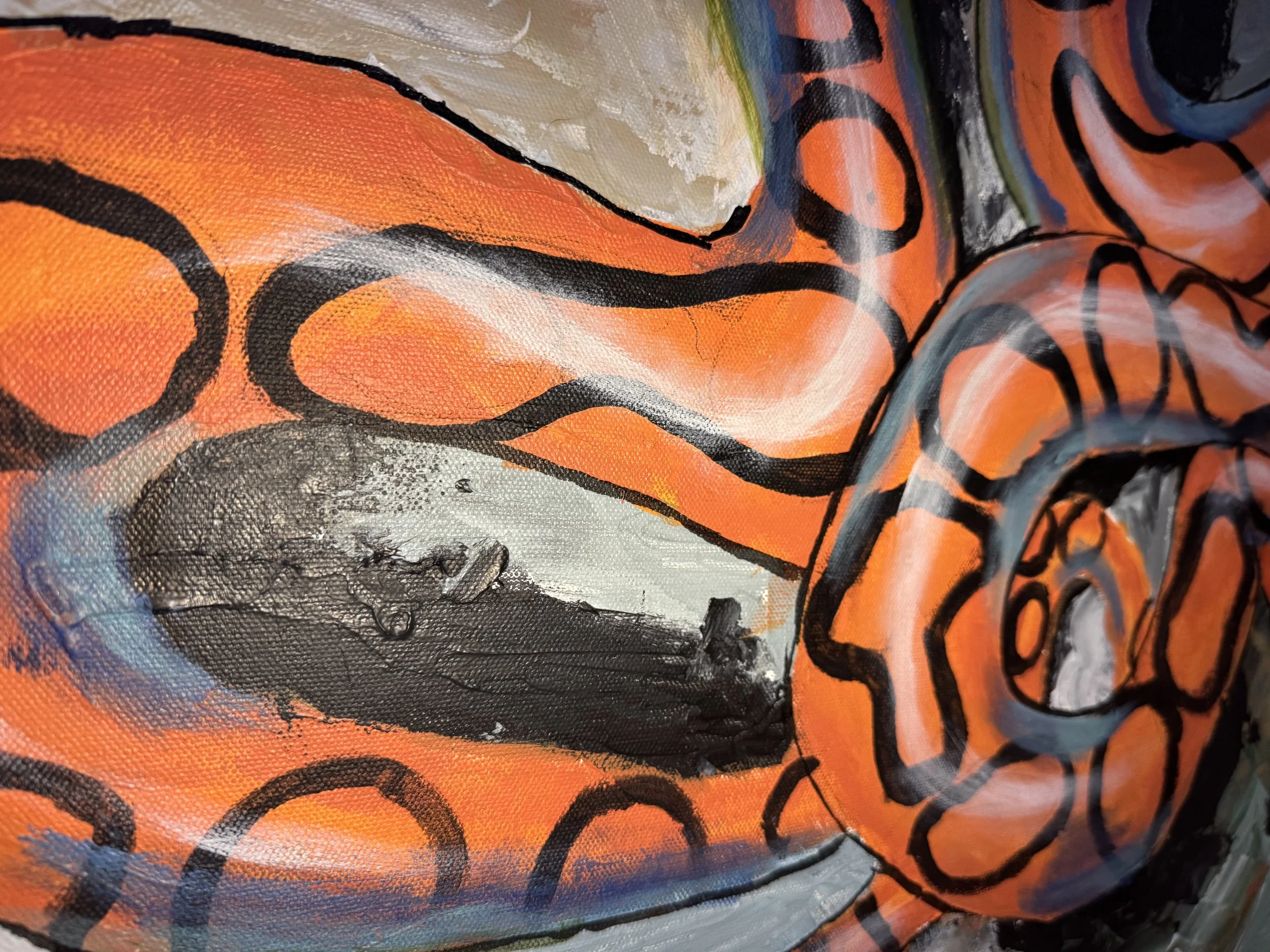
One name. Room to grow.
Around thirteen, I began bringing my interests together under the name Design Art and Engineering. That later became Tri-point, a reference to its original three branches. The intention was to create a shared identity that could accommodate different ventures as my interests and skills developed.

Learning by building.
Following a brief pause in selling, I focused on building my technical knowledge. Around fourteen, I built a three-degree-of-freedom robotic arm and explored offering 3D printing services, though I eventually decided the economics did not support the business I had envisioned.
Selling digital 3D models on Cults3D proved more successful and became one of my first meaningful sources of revenue.
Select 3D to explore. Drag to rotate and scroll to zoom.
Experience beyond my own ideas.
I later worked on someone else’s product under the separate name Tailgate Toppers, developing a device intended to help drivers tell whether their truck’s tailgate was up or down. The project stalled when its owner could not secure investment.
Although it never reached the market, the work gave me experience with product development and the provisional patent process, along with the confidence to pursue my own products more seriously. During that period, I also ran a modestly successful T-shirt venture on Redbubble.
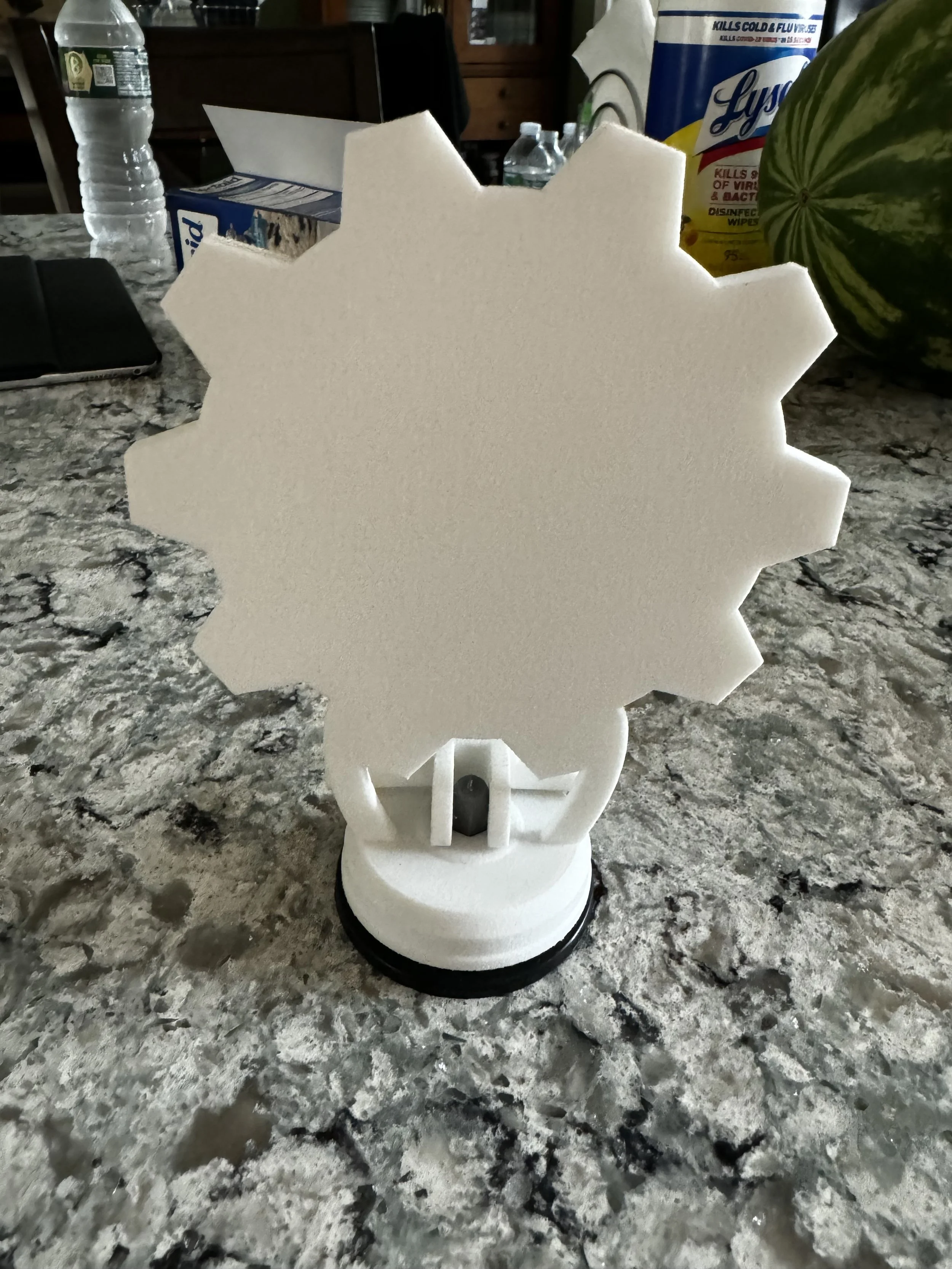
From CAD to prototype · 8 photos
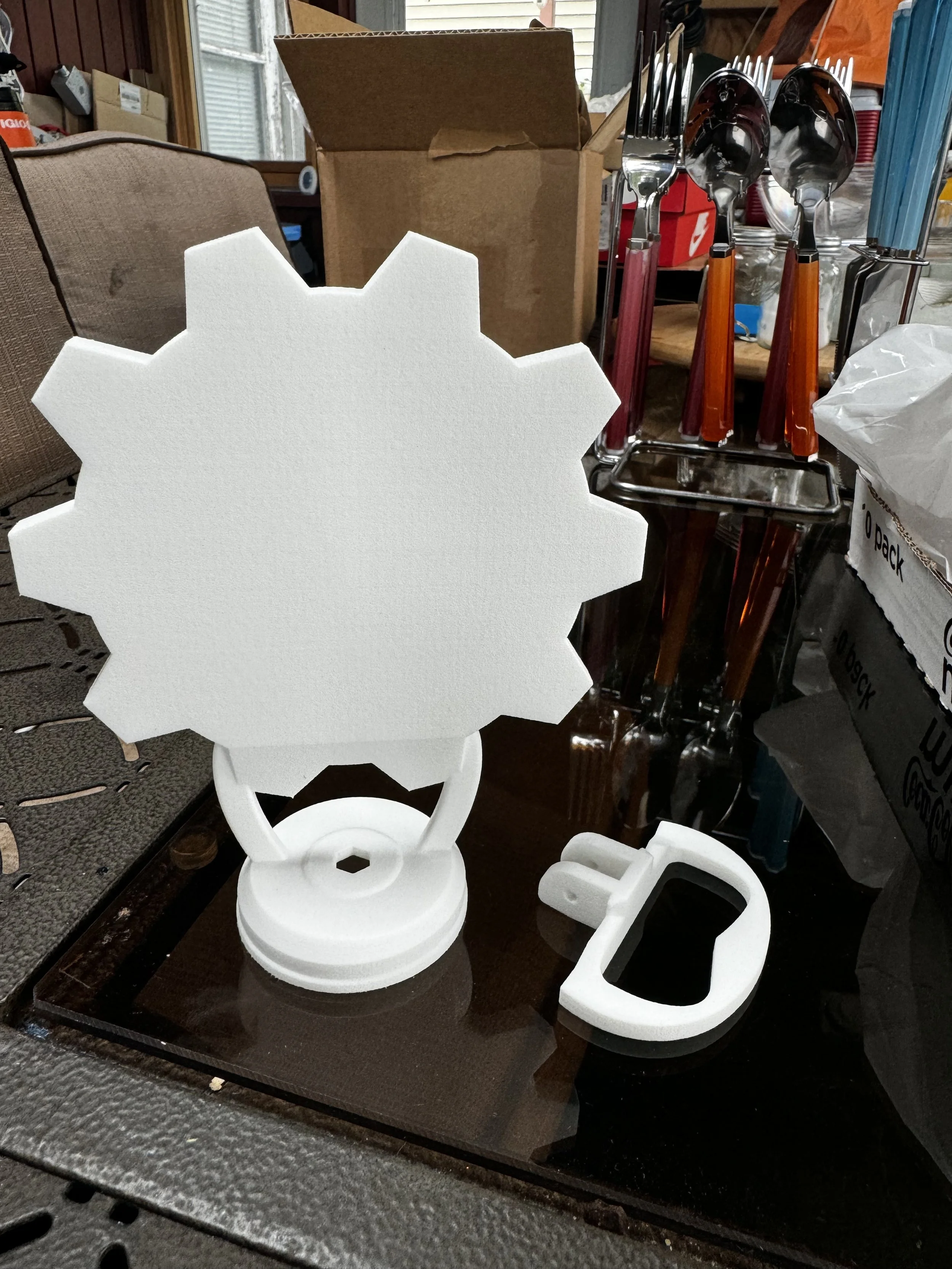
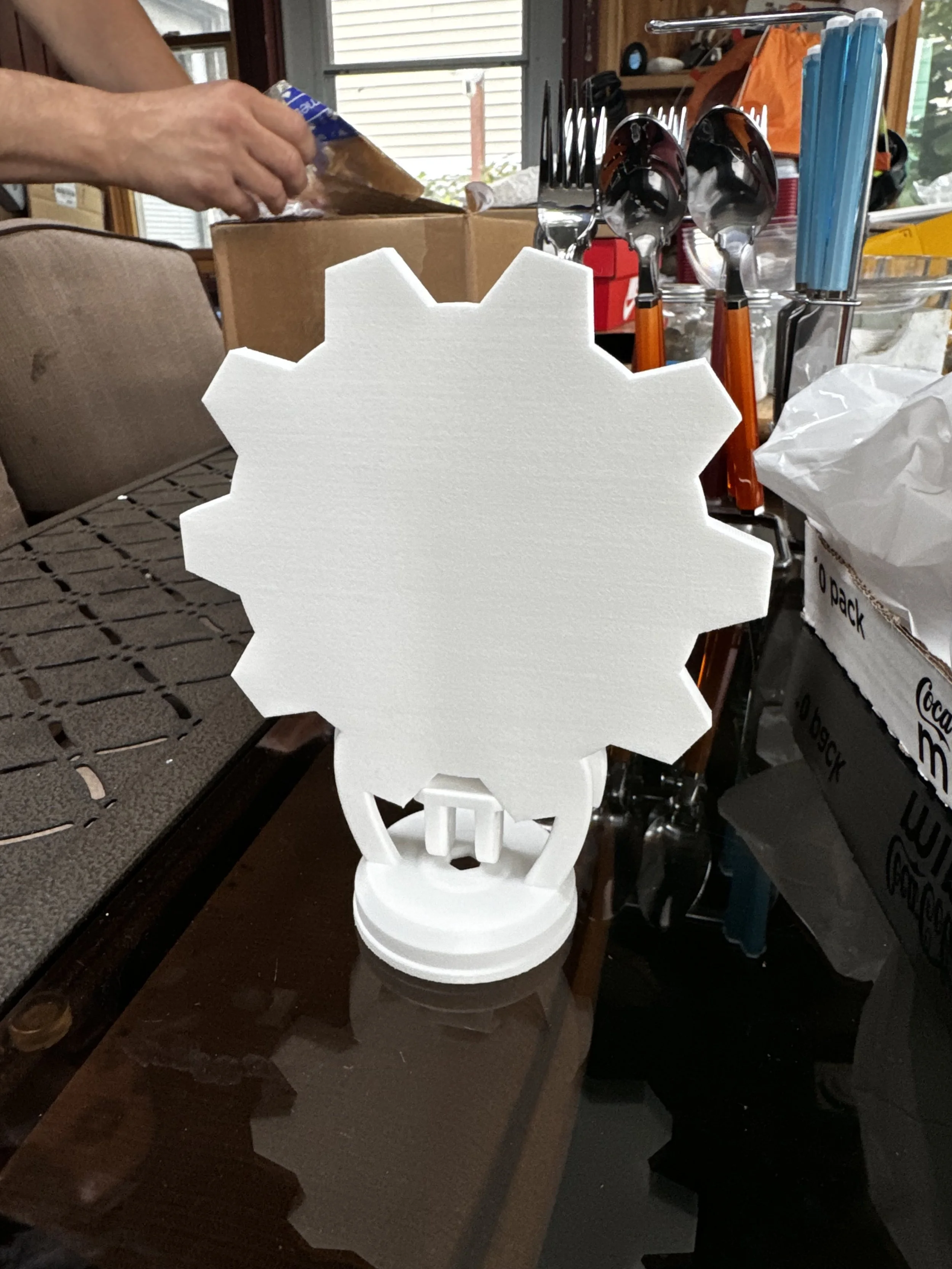
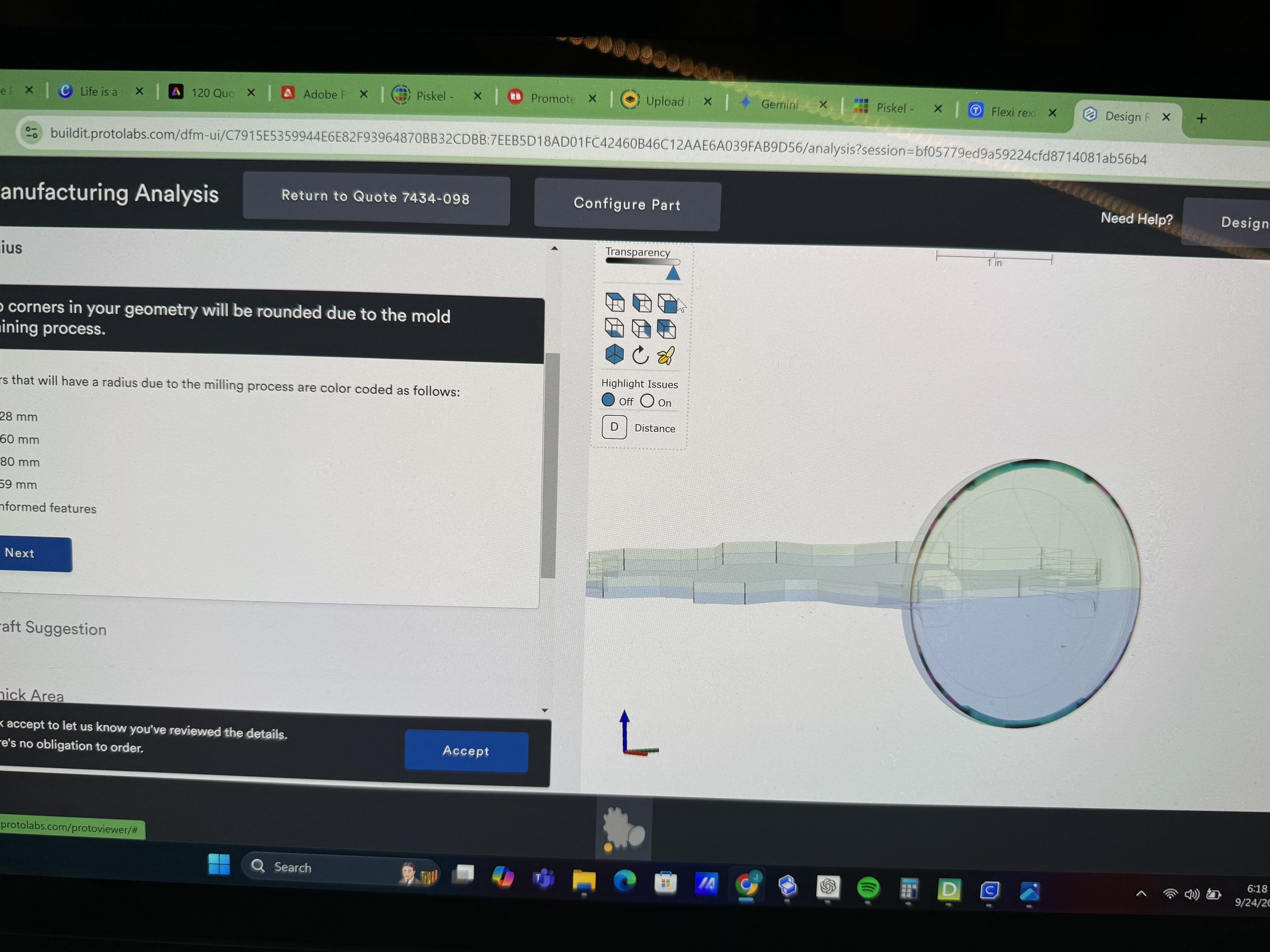
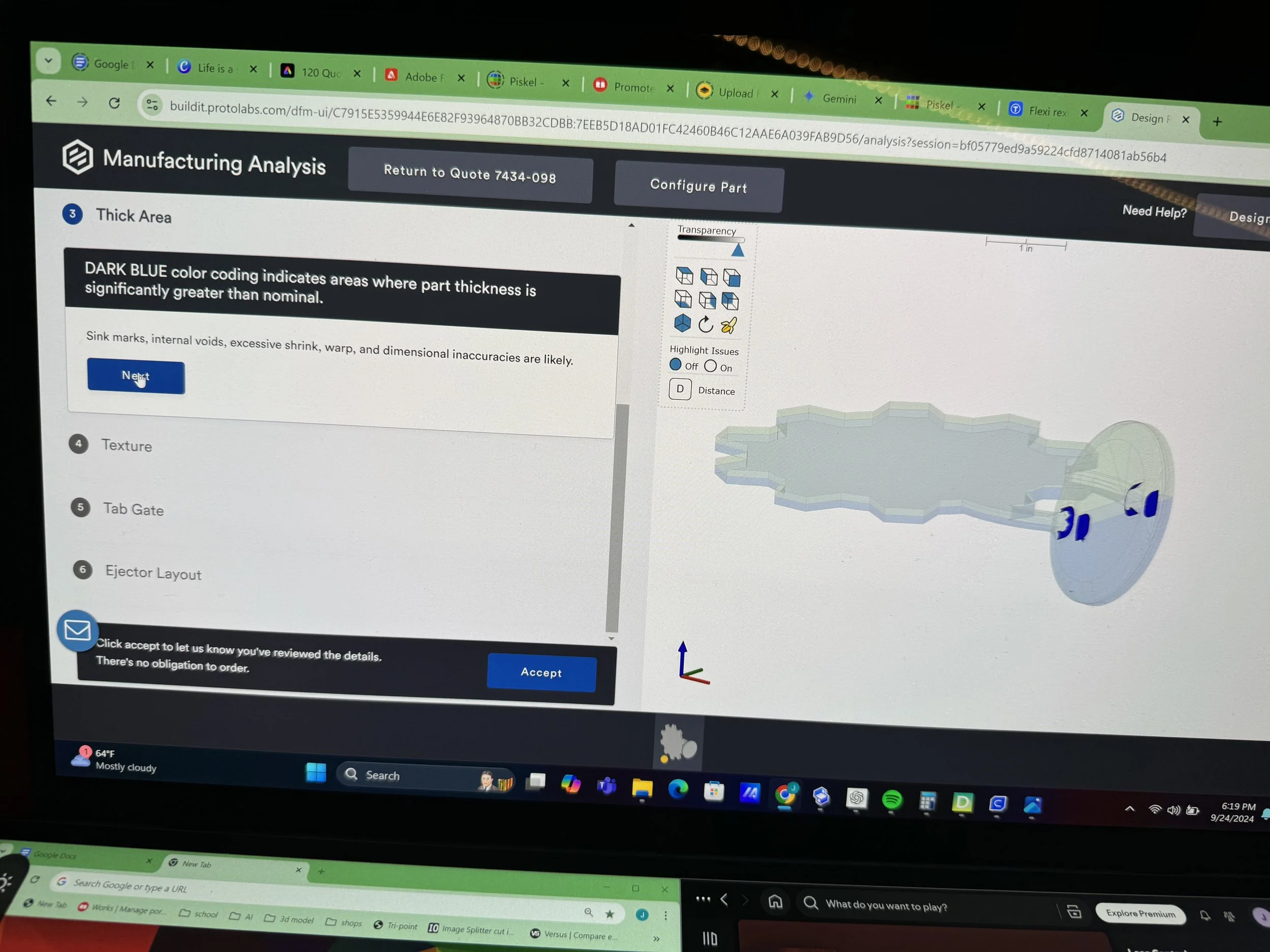
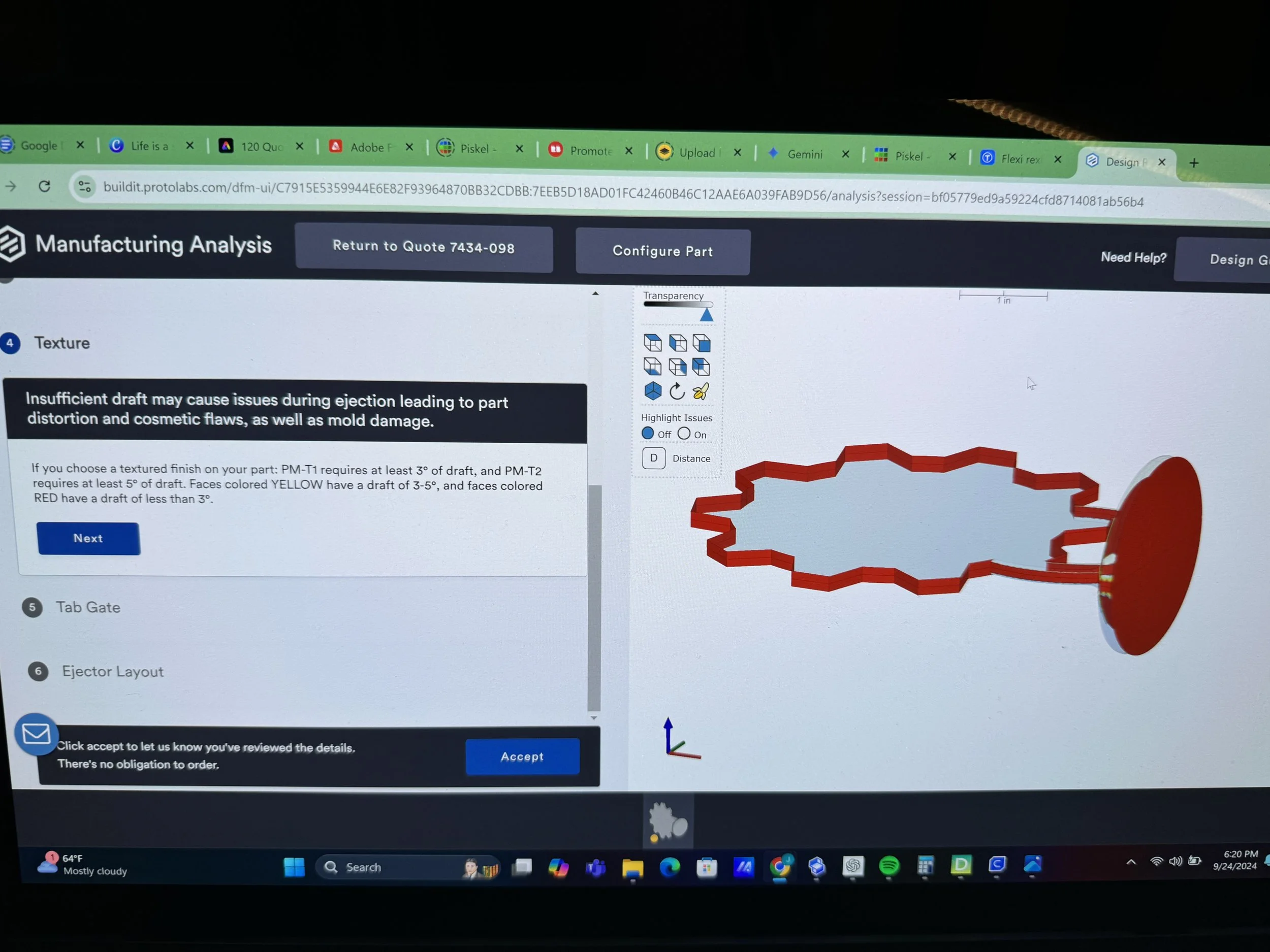
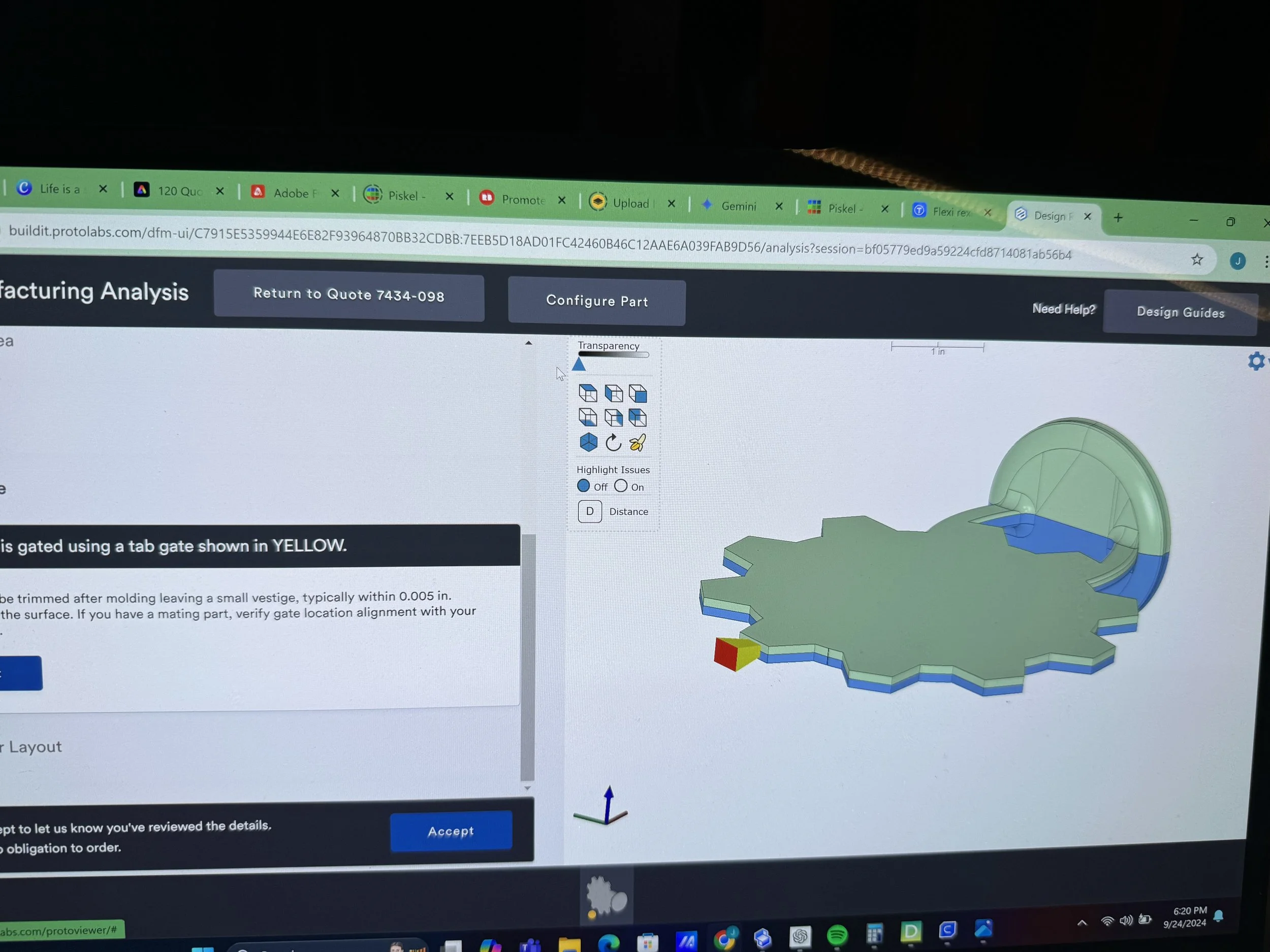
Ideas becoming products.
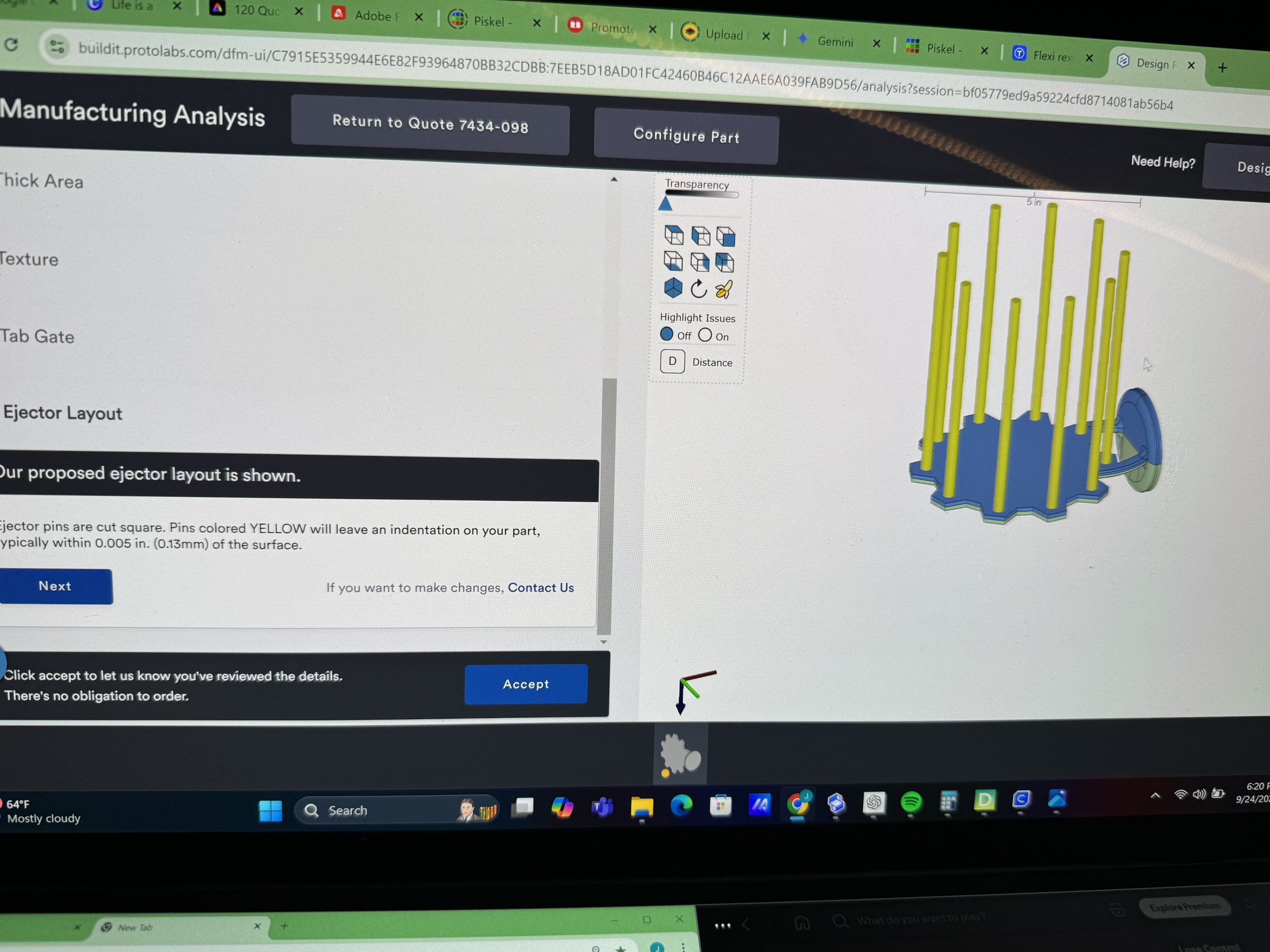
Those experiences led to the development of the P.O.P. Valve. I am currently refining its appeal and pitching it to investors while also developing Tri-point Snippet, a new branch inspired by my suitemates’ successful business.